← Example briefs

Editorial planning example

Qualifying a waterfront glass commission

A worked research exercise to show direction and expose questions. No artist proposal, cost estimate or suitability determination is implied.

Elliott West commissions architectural glass design tied to the treatment station and Elliott Bay. Its $40,000 artist fee covers design; implementation is separately managed. This is a deliberately bounded comparison: one work demonstrates stained glass within sculpture, while another supplies a documented waterfront lighting context. Neither record establishes the comparable two-dimensional glass or façade experience the call requests from US-resident applicants. A credible artist shortlist therefore needs additional qualifying portfolio evidence before moving beyond these material and setting references.

Source project

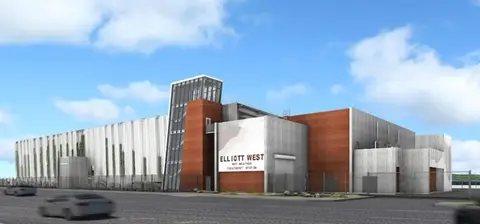
Source-page image · match unverified for Elliott West treatment station glass artwork
Source-page image · match unverifiedImage: 4culture.org ↗© 4Culture (as credited at source)

Deadline passed; outcome unconfirmed

Elliott West treatment station glass artwork

4Culture · Seattle, WA

Design-only commission for east stairwell glass and an upper north window at the upgraded wastewater station.

Published funding
USD 40,000
Funding scope
Artist design fee; implementation separately managed by 4Culture. Up to $5,000 additional design-phase travel.
Deadline as published
Thursday, October 22, 2026, 4:00 PM (PDT)

Deadline date has passed. This does not establish the selection outcome.

civicwaterfront

Research precedents

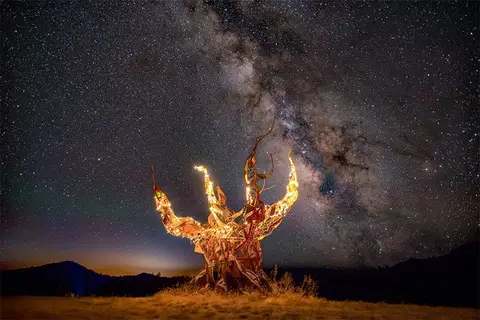
Image from the project source for Methuselah
Image: graydavidson.com ↗

Methuselah

Majorelle Arts · Gray Davidson

sculpturemetallight
Documented dimensions
20’ × 16’ × 18’
Version / scope
Methuselah v2.0, 2017; height is 20 ft, with remaining axes not separately labeled.
Materials
steel, patina, stained glass, light
Technical facts & planning questions

Documented facts

  • The documented bark combines thin metal sheet and curled metal rods with stained-glass sections.

Questions for a new site

  • Is Methuselah v2.0 the version under discussion?
  • How would stained-glass sections be protected and accessed for repair?
  • What handling and assembly sequence would preserve the sculpted metal bark?

Artist / project source ↗

Availability unconfirmed. A precedent, not a quote or suitability assessment.

Saves on this device.
Already working on a project?Adds directly to your existing saved project and keeps its brief intact.
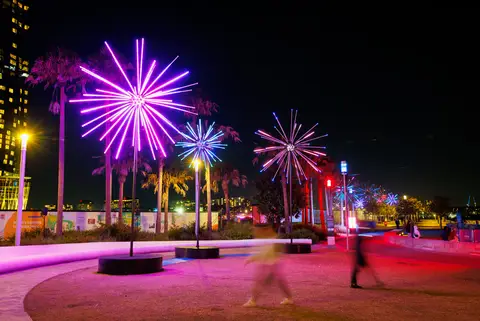
Image from the project source for Electric Dandelions
Image: liquidpxl.com ↗

Electric Dandelions

Liquid PXL

outdoorlightsculpturemetalwaterfront
Documented dimensions
Large: 28 ft tall, 15 ft sphere diameter, 7' × 7' base. Small: 25 ft tall, 8 ft sphere diameter, 5' × 5' base.
Version / scope
Two published sizes; proposed quantity and arrangement remain unconfirmed.
Materials
steel, translucent polycarbonate, LEDs
Technical facts & planning questions

Documented facts

  • Large units: 600 W at 110 V, 500 lb each. Small units: 300 W at 110 V, 450 lb each.

Questions for a new site

  • Which sizes and how many dandelions would the layout use?
  • How would electrical distribution and seating relate to pedestrian routes?
  • What inspection and replacement process would cover the stems and light tubes?

Artist / project source ↗

Availability unconfirmed. A precedent, not a quote or suitability assessment.

Saves on this device.
Already working on a project?Adds directly to your existing saved project and keeps its brief intact.

Why these references?

Methuselah

Methuselah combines stained-glass sections with sculpted metal bark. It gives the team a specific starting point for discussing light, color and repair access. A freestanding tree sculpture does not establish experience specifying glass within a building envelope.

Editorial rationale grounded in the linked research; not artist intent or a recommendation of availability.

Electric Dandelions

Electric Dandelions has a documented Pier A presentation in Hoboken. That is relevant to conversation about art read against a waterfront setting. Its steel, polycarbonate and LED construction is not a glass-façade precedent or evidence of suitability for this building.

Editorial rationale grounded in the linked research; not artist intent or a recommendation of availability.

Questions before a proposal

  • Which additional completed projects establish the applicant’s required architectural-glass experience?
  • How should the glass read from the stairwell, exterior approaches and waterfront?
  • Who specifies glazing, approves samples and takes responsibility for maintenance and replacement?
Adapt this brief