A documented program is not a current invitation to apply. Selection routes and program history reflect the linked dated sources. Confirm current availability, eligibility and application terms with the organizer.
Program context & project planning
How the program works
A qualifications-first commissioning process
Austin describes a six-stage process beginning with project discovery and a call that is usually a request for qualifications. Staff establish location, goals and eligibility with project stakeholders before an artist panel reviews applicants. Once selected, artists research the community and meet with city departments and neighborhood participants to understand priorities and construction schedules. Eligibility can vary between Austin-based, national and occasional international calls, so the individual brief controls who can participate.
Which completed projects show both the artist’s practice and an ability to work with communities and construction teams?
Fabrication and closeout are part of the commission
Austin’s process includes scale models, material choices, a detailed budget, construction documents and fabrication and installation methods during design development. At closeout, the artist and city inspect the work and review its maintenance or conservation plan; city staff may receive conservation training. The collection team then completes accessioning and receives title. This provides a concrete framework for a production scope that includes drawings and handover documentation as well as fabrication.
Who will supply the construction documents, maintenance manual and final training, and are those tasks in the budget?
TEMPO provides temporary public-art experience
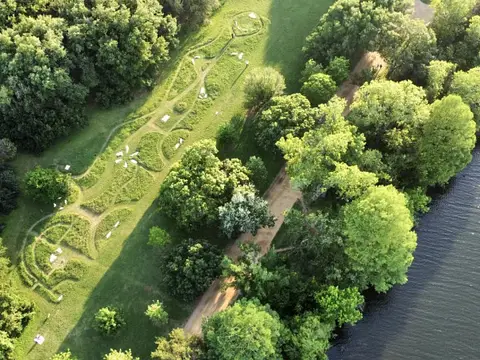
Austin presents TEMPO as an entry point for local artists to design, fabricate, install and maintain temporary site-specific work under a city or partner contract. Installations remain on display for one year, and the FY25–26 iteration is a partnership with The Trail Conservancy. The reviewed city page states that no temporary-art calls are open. Artists can study the route and prepare for a future call while treating the annual display period as a program description, not a promised future schedule.